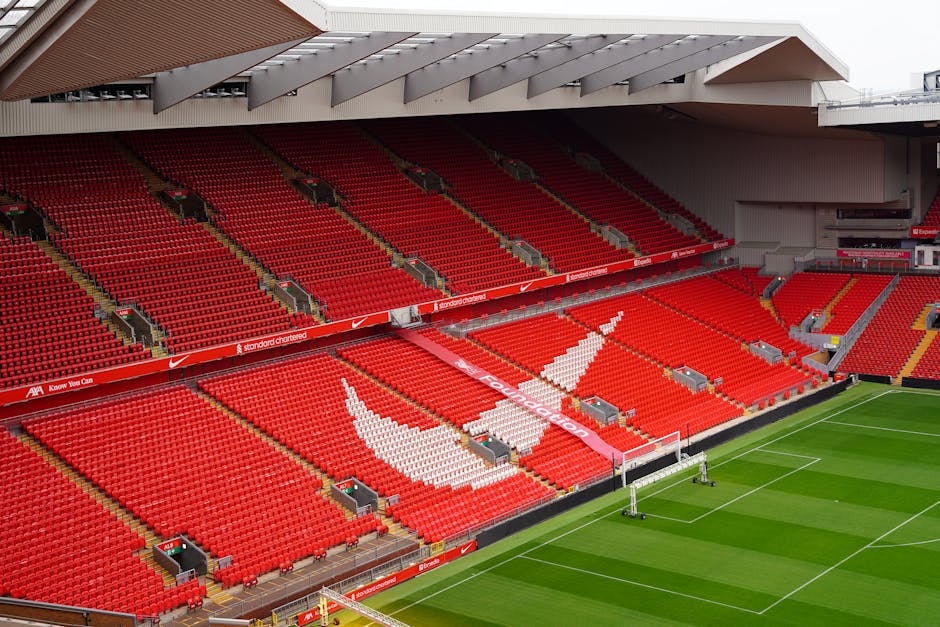
Craven Cottage stain removal and matchday cleaning solutions

Matchdays at Craven Cottage are full of energy, noise, muddy shoes, drinks spills, and the kind of small messes that seem to appear in seconds. If you are responsible for keeping a venue, hospitality area, rental space, or nearby property looking clean before and after a game, Craven Cottage stain removal and matchday cleaning solutions are not a luxury. They are part of the job.
The tricky bit is that stadium-adjacent cleaning is never just "quick tidy-up" work. You may be dealing with grass marks on fabric, coffee on carpet, food on hard floors, sticky handrails, damp footprints, or odour left behind after a packed evening fixture. That means speed matters, but so does method. Use the wrong approach and a stain can set, spread, or damage the surface. Use the right one and the space looks calm again. Honestly, that little reset makes a bigger difference than people think.
This guide walks through what the process involves, how to choose the right cleaning approach, which mistakes to avoid, and how to build a sensible routine that works on busy matchdays without creating chaos later on.
Why Craven Cottage stain removal and matchday cleaning solutions Matters
When a venue gets busy, cleanliness stops being cosmetic and becomes operational. A clean matchday space helps staff move faster, helps guests feel looked after, and reduces the risk of minor issues turning into bigger ones. A fresh carpet, wiped table, or stain-free entrance area quietly sets the tone before anyone has even sat down.
Craven Cottage is a location where timing and presentation matter. People arrive in waves. Weather changes quickly. Footfall rises and falls in bursts. That creates a different cleaning challenge from a normal domestic job or a quiet office. You are not just cleaning a room. You are managing a flow of people, a mix of surfaces, and a short window to get things ready again.
Stain removal is especially important because several common matchday stains behave badly if left too long. Tea, coffee, wine, ketchup, grease, mud, and sugary drinks can all migrate deeper into fibres or grout if they are rubbed in or missed entirely. On lighter fabrics, even one half-hearted attempt can leave a ring mark that looks worse than the original spill. Bit annoying, but very real.
That is why a planned approach matters more than panic cleaning. The best results usually come from a mix of immediate spot treatment, targeted surface cleaning, and scheduled deep cleaning between busy periods. For larger or mixed-use premises, many people combine commercial cleaning support with specialist services such as stain removal and carpet cleaning so the whole site stays under control, not just the obvious problem areas.
How Craven Cottage stain removal and matchday cleaning solutions Works
Good matchday cleaning is really a sequence of decisions. First you identify the stain type. Then you check the surface. Then you decide how much moisture, friction, and cleaning chemistry that surface can tolerate. Simple in theory, fiddly in practice.
For example, a fresh drinks spill on a hard floor can usually be contained quickly with absorbent cloths, a neutral cleaner, and a careful dry finish. The same spill on carpet needs a different approach, because over-wetting can push liquid deeper into the backing. On upholstery, heavy rubbing can distort fibres or spread colour. On natural materials, some solutions may be too aggressive. So the job is less about "cleaning harder" and more about cleaning smarter.
Matchday cleaning also works best when it follows a zone-based system. Busy entry points, toilets, hospitality areas, stairwells, and waiting spaces each have their own risks. You will notice that the best teams don't wander around improvising. They move through the site in a deliberate order, often starting with the highest-traffic areas and any fresh contamination that could spread if ignored.
Where suitable, specialist methods such as steam carpet cleaning can help lift embedded soil after the matchday rush, while hard floor cleaning keeps entrances, corridors, and service areas safe and presentable. For soft furnishings, a separate method may be needed. A sofa or banquette near a hospitality space, for instance, often benefits from upholstery cleaning rather than a one-size-fits-all treatment.
Key Benefits and Practical Advantages
The main benefit is obvious: the venue looks and feels better. But the practical advantages go further than appearance.
- Faster turnaround: a structured process means you spend less time retracing steps after the crowd has gone.
- Less surface damage: the right technique protects carpet, fabric, stone, and laminate finishes.
- Better hygiene: spills, sticky residue, and foot traffic grime are cleared before they become embedded.
- Reduced odours: especially useful in warm or wet conditions, where damp textiles can start to smell unpleasant.
- Improved guest experience: people notice clean thresholds, fresh seating, and tidy communal areas even if they never mention it.
- Lower long-term costs: regular maintenance often reduces the need for heavy restoration work later on.
There is also a quieter benefit: confidence. When staff know there is a system in place, they are less likely to panic when a tray tips over or a muddy bootprint appears across a pale runner. That calmness matters. It keeps everything moving.
For sites with recurring traffic and mixed-use spaces, a combination of regular cleaning and occasional deep cleaning tends to work best. It creates a rhythm rather than a scramble.
Who This Is For and When It Makes Sense
This topic is most relevant for venue managers, facilities teams, hospitality operators, landlords, event organisers, cleaners, and local businesses that feel the impact of football traffic on nearby properties. It is also useful for anyone managing a short-let, guest accommodation, or shared space close to matchday routes.
It makes sense when you need more than basic cleaning. A standard house clean is one thing. Matchday pressure is another. If you are dealing with repeated footfall, unpredictable spills, or a need to restore a space quickly between uses, specialised methods are worth considering.
A few typical scenarios:
- A hospitality lounge gets coffee and wine marks before kickoff.
- An entrance mat holds onto damp mud after a rainy afternoon fixture.
- A carpeted corridor picks up repeated black scuffs from shoes and luggage.
- Seating areas absorb odour and crumbs after long event sessions.
- Hard floors need to be dry and safe before the next wave of visitors arrives.
If your space is used in a way that creates the same mess every weekend, the answer is usually not "clean harder". It is "build a better routine". In some cases that means booking a one-off reset through one-off cleaning. In others, it may be a broader commercial carpet cleaning plan tied to busy fixtures.
Step-by-Step Guidance
Here is a practical way to handle matchday stains without making the situation worse.
- Pause and identify the spill. Is it liquid, grease, mud, food, or an unknown mix? Different stains behave differently.
- Protect the area. Keep foot traffic away if possible. One extra minute here can save twenty later.
- Blot, do not rub. Rubbing pushes the stain deeper and can rough up fibres. Blot from the outside in.
- Check the surface. Carpet, upholstery, hard floor, and curtain fabric each need their own treatment.
- Use the mildest effective solution. Start gently. Escalate only if needed.
- Work in small sections. This prevents spreading and helps you see progress.
- Rinse or neutralise where suitable. Leftover cleaner can attract more dirt.
- Dry properly. Moisture left behind can cause odour, re-soiling, or slip risk.
- Inspect under good light. A stain that looks fine in low light can reappear once the surface dries.
- Record the incident. If the area gets repeated spills, note the time, type, and result. Patterns help.
For textiles and soft furnishings, this is often the point where a specialist service makes sense. A targeted treatment for pet stain odour removal may sound specific, but the underlying principle is the same: removing contamination fully rather than masking it. And yes, in event spaces, "it smells clean" is not the same thing as "it is clean". Big difference.
Expert Tips for Better Results
Small details make a surprisingly large difference.
1. Keep a stain response kit in the right places. Don't stash everything in one cupboard at the far end of the building. Place kits where spills actually happen: entrance points, hospitality areas, and service corridors.
2. Match the method to the material. Microfibre, soft cotton cloths, neutral detergent, absorbent pads, and dry towels all have their place. Heavy chemicals should not be the default.
3. Work from clean to dirty zones. That sounds obvious, but during a busy fixture it is easy to skip around. A calm route wins every time.
4. Don't forget odour control. A stain can be visible or invisible. Damp fabric, food residue, and spilled drinks often leave a smell even after the mark itself is gone.
5. Schedule resets after peak events. Matchday traffic can leave a surprisingly stubborn layer of fine soil on surfaces. A deeper clean after repeated use often prevents the "always looks a bit tired" effect.
In our experience, the spaces that stay presentable longest are the ones that treat cleaning as part of operations, not as a last-minute patch. That one shift changes everything, honestly.
For upholstered seating and lounge areas, a planned sofa cleaning visit can be more effective than spot treatment alone. The same goes for curtains in reception or hospitality spaces, where curtain cleaning helps remove lingering dust and odour from repeated use.
Common Mistakes to Avoid
Most cleaning mistakes are very human. The problem is that stains are unforgiving.
- Rubbing instead of blotting can spread the mark and damage pile direction on carpets.
- Using too much water can leave backing damp and create a musty smell later.
- Testing nothing first is risky on dyed fabrics or delicate materials.
- Mixing products can be unsafe and can also ruin the finish. Best not to improvise chemistry on matchday, really.
- Ignoring drying time leads to slip hazards and premature re-soiling.
- Assuming one method fits all often causes more harm than good.
- Leaving old stains untreated makes them harder to remove and more visible under bright venue lighting.
A lot of frustration comes from cleaning in a hurry. Truth be told, haste is often the villain here. If there is no time to do the job properly, the better choice may be to contain the spill, document it, and return with the right tools instead of forcing a bad fix.
Tools, Resources and Recommendations
You do not need an enormous kit, but you do need the right kit.
| Tool or method | Best use | Notes |
|---|---|---|
| Microfibre cloths | Blotting and wiping spills | Good for general use; keep several clean cloths on hand |
| Neutral cleaner | General surface cleaning | Often suitable for mixed-use spaces when used carefully |
| Absorbent pads | Fresh liquid spills | Useful on carpets and upholstery before deeper treatment |
| Soft brush | Lifting surface soil | Work gently to avoid fraying fibres |
| Wet vacuum | Extracting liquid from suitable surfaces | Helps reduce drying time where appropriate |
| Professional deep clean | Restoring busy areas | Best for recurring traffic, odours, or heavy soil build-up |
For broader property care, it can help to coordinate stain removal with other services rather than treating everything as a separate issue. For instance, a venue that has dusty window ledges, stained floor edges, and tired communal areas may benefit from a broader refresh such as communal area cleaning or window cleaning alongside targeted stain work. That kind of joined-up thinking is often what makes a place feel properly looked after.
If you are comparing service options, it is also wise to ask how the cleaner handles different materials, what their drying times look like, and whether they can work around event schedules. The best providers usually explain this clearly. No fuss, no mystery.
Law, Compliance, Standards, or Best Practice
For a busy venue or commercial premises, cleaning is not just about appearance. It is also about safety and good operational practice. In the UK, employers and property managers commonly work to general health and safety duties, sensible risk control, and manufacturer guidance for individual products and surfaces. The exact legal obligations will depend on the setting, but the practical expectation is straightforward: do not create avoidable slip risks, do not use unsafe product combinations, and do not leave staff or visitors exposed to wet floors or contaminated surfaces.
Best practice usually includes:
- clear spill response procedures
- safe storage and labelling of cleaning products
- appropriate PPE where needed
- surface testing before treatment
- good ventilation during and after cleaning
- documented cleaning routines for busy shared spaces
Insurance and accountability also matter. If a venue is open to the public or hosts scheduled events, the cleaner's approach should be suitable for the environment and the surface types involved. You can review the company's health and safety policy and insurance and safety information to understand how safe working is handled in practice. That kind of transparency is worth its weight in gold when timing is tight.
And if you are ever unsure about a stain, a surface finish, or a cleaner's method, ask first. Good cleaning is careful cleaning. Simple as that.
Options, Methods, or Comparison Table
Different situations call for different approaches. Here is a practical comparison to help you choose.
| Method | Best for | Pros | Limitations |
|---|---|---|---|
| Spot cleaning | Fresh, isolated spills | Fast, low-cost, immediate | May not remove deep or old stains fully |
| Routine maintenance cleaning | Daily or weekly upkeep | Keeps dirt from building up | Usually not enough for embedded staining |
| Steam carpet cleaning | Carpets with heavy soil | Deep extraction, good refresh effect | Needs drying time and suitable carpet type |
| Upholstery cleaning | Seating, fabric panels, benches | Targets odour and visible marks | Fabric testing is essential |
| One-off deep clean | Post-event resets | Helpful after busy fixtures or seasonal peaks | Not a substitute for regular maintenance |
For most matchday environments, the most practical approach is a blend: quick response for fresh spills, routine cleaning for daily hygiene, and periodic specialist treatment for carpets and fabrics. If you only choose one method, you will probably end up chasing problems. The mix is what keeps things steady.
Case Study or Real-World Example
Here is a simple real-world style example based on a common matchday scenario.
A hospitality area near a busy entrance has carpet tiles, soft seating, and a hard floor threshold. On a rainy afternoon, guests track in wet mud. A coffee cup tips near the seating area, and later a sticky drink mark appears at the edge of a rug. By the end of the evening, the space looks tired rather than disastrous, but it is clearly due a reset.
The cleaning team starts with containment: towels on the wet entrance area, attention to the fresh liquid spill, and a quick surface check. Next comes targeted stain treatment on the rug and seats, followed by a proper floor clean on the entrance and threshold. After drying, the deeper carpet soil is treated with a specialist extraction clean, while the seating is handled with appropriate upholstery methods. The next morning, the area is usable again, and more importantly it no longer smells damp. That last part matters more than people admit.
In a setting like this, a combined plan could also include rug cleaning for decorative floor coverings and move-in cleaning or move-out cleaning support for nearby managed spaces that need a fresh turnover around event periods. The right mix depends on the space, but the principle stays the same: contain, clean, dry, then review.
Practical Checklist
Use this checklist before and after busy fixtures.
- Check which areas are most likely to get spills or mud tracked in.
- Keep cloths, neutral cleaner, absorbent pads, and gloves ready.
- Mark out a simple response route for staff.
- Use the mildest method that will do the job.
- Blot fresh stains rather than rubbing them.
- Separate carpet, upholstery, and hard floor treatment.
- Allow time for proper drying.
- Inspect under bright light after cleaning.
- Record repeated problem spots.
- Book periodic deep cleaning for high-traffic areas.
Quick takeaway: if a space sees repeated foot traffic, drinks spills, or damp weather mess, a planned approach always beats ad hoc cleaning. Always.
Conclusion
Craven Cottage stain removal and matchday cleaning solutions are really about keeping control when the pace of the day tries to take it away. The best results come from simple habits done well: fast response, careful product choice, proper drying, and regular maintenance between peak fixtures.
If you manage a busy venue or a nearby property that needs to stay presentable on matchdays, the smartest move is to build a routine that matches real use, not ideal conditions. That usually means combining spot treatment, scheduled upkeep, and specialist help where needed. Small steps, done consistently, make a big difference by the end of the season.
For a dependable next step, review the wider service options, check how safe working is handled, and choose the approach that fits your surface types and turnaround times. And if you need help getting started, that is perfectly normal. Most people do.
Get a free quote today and see how much you can save.
Frequently Asked Questions
What is the best first step for a fresh matchday stain?
Blot the spill gently with a clean cloth or absorbent pad, then identify the stain and the surface before using any cleaner. Rubbing usually makes things worse.
Can I use the same method on carpet and upholstery?
Usually not. Carpet and upholstery respond differently to moisture, friction, and cleaning products. Upholstery often needs a gentler approach and more careful drying.
How do you remove mud tracked in after wet weather?
Let heavier debris dry if needed, then vacuum or lift it carefully before using a suitable cleaner. On carpets, avoid over-wetting; on hard floors, dry the area fully to prevent slips.
Are steam cleaners always the best option?
No. Steam carpet cleaning is very useful for some deep soil problems, but it is not right for every material. Delicate fabrics or certain finishes may need a different method.
How often should matchday areas be deep cleaned?
That depends on footfall, spill frequency, and the surfaces involved. High-traffic areas often benefit from periodic deep cleaning between busy fixture periods.
What stains are most common in stadium-adjacent spaces?
Drink spills, food marks, mud, scuffs, and sticky residues are among the most common. In hospitality spaces, odour and fabric soiling can also become issues.
Can old stains still be removed?
Sometimes, yes. Older stains are often harder because they have set into fibres or surfaces, but specialist treatment can still improve or remove them. The earlier the better, though.
How do I stop stains from spreading?
Work from the outside of the stain inward, use minimal liquid, and avoid rubbing. If possible, isolate the area until it is treated properly.
Is there a difference between stain removal and general cleaning?
Yes. General cleaning removes everyday dirt and residue, while stain removal targets a specific mark or contamination. In busy spaces, you usually need both.
What should I ask a cleaning provider before booking?
Ask about surface types they can treat, drying times, product suitability, insurance, and how they handle health and safety. Clear answers are a good sign.
Do matchday cleaning solutions need to be planned in advance?
They really should be. When cleaning is planned around event timings, staff can respond faster and do a better job without disrupting visitors.
What if a stain looks worse after I try to clean it?
Stop and reassess. Over-cleaning, too much water, or the wrong product can cause a ring mark or spread residue. Sometimes the best next move is professional treatment rather than another DIY attempt.