Common problems with balcony access for Fulham cleaning jobs
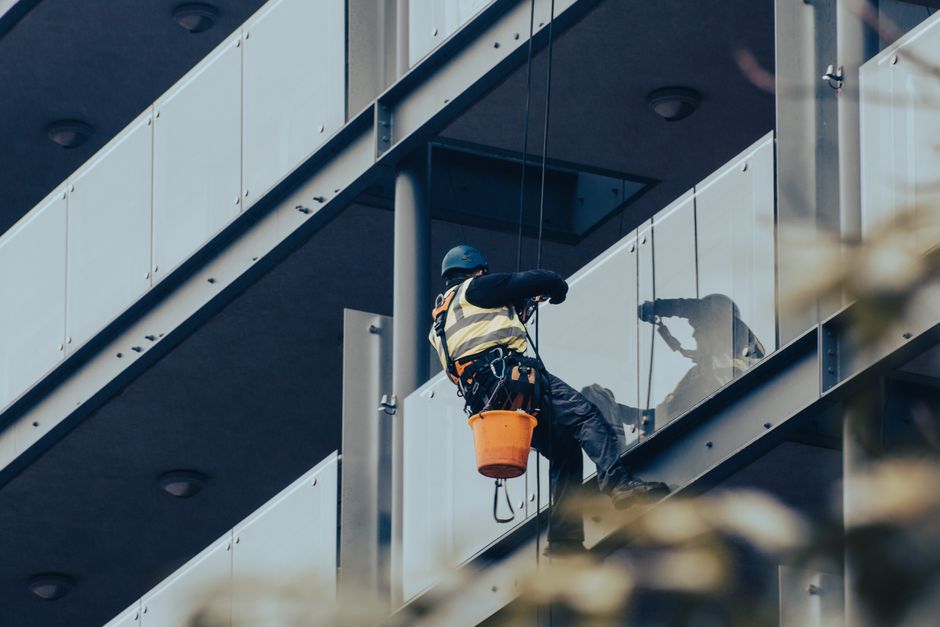
If you have ever looked out at a Fulham flat and thought, "That balcony should make cleaning easier," you are not alone. In practice, balcony access can be one of the trickiest parts of a cleaning job. Tight railings, awkward doors, shared walkways, slippery surfaces, and limited room for equipment can turn a simple job into a careful one very quickly.
This guide breaks down the common problems with balcony access for Fulham cleaning jobs, why they matter, and how they are usually handled in real homes and managed properties. We will also cover practical checks, safer working methods, and the sort of planning that saves time, avoids damage, and keeps everyone calmer. Because, let's face it, nobody wants a cleaner balanced between a patio chair and a half-open French door on a windy morning.
Whether you are arranging a one-off clean, a regular service, or a more involved job such as end of tenancy or window cleaning, understanding balcony access helps you get better results with fewer surprises.
Why balcony access for Fulham cleaning jobs matters
Balconies sound like a convenience, but they can shape the whole job. In Fulham, where you see everything from mansion block flats to compact modern apartments, balcony access often affects what equipment can be brought in, how safely work can be done, and how long the clean will take. A cleaner may need the balcony to reach external glass, move safely between rooms, or work around furniture and plant pots that have collected dust, leaf debris, or the occasional urban grime that settles after a wet week.
The issue is not just "can you get onto the balcony?" It is also:
- Can the cleaner open and secure the door safely?
- Is there enough standing room to work without risk?
- Will the balcony surface become slippery with water or detergent?
- Is the access shared, restricted, or awkward for equipment?
These questions matter because balcony access failures tend to create knock-on problems. A job that should take one visit can become delayed. A window clean may be incomplete. A deep clean may need a return trip. And if a property manager, tenant, or homeowner has not flagged the issue early, it can lead to confusion on the day.
Practical takeaway: the best balcony access plan is the one that is thought through before anyone arrives with buckets, cloths, extension tools, or a head full of good intentions.
In our experience, the jobs that go smoothly are rarely the "easy" ones. They are the ones where access details were checked properly. That sounds obvious, but it is usually where things are missed. Tiny detail, big difference.
How balcony access for Fulham cleaning jobs works
Balcony access is usually handled as part of the pre-clean assessment. The cleaner or cleaning company looks at the layout, the type of service requested, and the route needed to reach the balcony area. Sometimes access is through a living room or bedroom. Sometimes it is a narrow door opening onto a Juliet balcony or enclosed terrace. In other cases, the balcony is external, shared, or only reachable through communal areas.
For a straightforward job, the process is usually simple:
- The access route is confirmed before the visit.
- Any fragile items, furniture, or plants are moved or protected.
- The cleaner checks for surface hazards, drainage issues, and safe working space.
- The cleaning method is adapted to the space, rather than forcing a standard routine.
That last point matters more than people realise. A balcony clean is not just a smaller version of a floor clean. Wind can spread dust. Water can pool near thresholds. Glass balustrades show streaks quickly. And if the balcony sits above a lower garden or pavement, overspray or debris control becomes part of the job, not an afterthought.
Sometimes access problems appear only when the cleaner arrives. A door may stick. A lock may be faulty. A terrace may be blocked by stored items. Or, to be fair, the property might be exactly the sort of place where everything looked easy in daylight but feels a bit more fiddly once you are actually there with equipment in hand and no spare elbow room.
For broader property work, balcony access also interacts with other services. A balcony that needs careful handling may sit alongside window cleaning, deep cleaning, or even end of tenancy cleaning, where timing and completeness are both important.
Key benefits and practical advantages
When balcony access is planned well, the benefits are bigger than many people expect. The obvious one is efficiency, but there are several others.
- Better cleaning quality: cleaners can reach edges, frames, and glass properly instead of working around obstacles.
- Lower risk of damage: fewer bumped pots, scratched floors, or water marks on adjoining surfaces.
- Safer working conditions: less rushing, better footing, and fewer improvised movements.
- Cleaner finish: balconies, windows, and surrounding areas can all be treated as one space, which usually looks better.
- Less disruption: fewer pauses, fewer back-and-forth messages, and fewer "we just need to move this first" moments.
There is also a quiet customer benefit: trust. When a cleaner turns up prepared for a balcony's quirks, it gives the impression of care and competence. That is a small thing, but in practice, small things build confidence fast.
For landlords and tenants, the advantage is even more practical. A balcony that is properly cleaned and accessed safely is less likely to be overlooked during inspections, handovers, or move-out checks. For homeowners, it means less hassle and better use of the space on days when the weather is behaving itself, which in London can feel like a bonus round.
Who this is for and when it makes sense
This topic is relevant to more people than you might think. Balcony access issues come up in private homes, rental flats, managed developments, serviced apartments, and commercial spaces with terrace areas.
It makes sense to think about balcony access if you are:
- a tenant preparing for a move-out clean;
- a landlord or letting agent organising a pre-check or turnaround clean;
- a homeowner booking a one-off clean after renovation, pollen build-up, or a long winter;
- a property manager coordinating access in a block with shared or restricted areas;
- someone booking regular cleaning and wanting to avoid repeated access problems.
It is especially relevant in Fulham where properties can vary so much within a small area. A top-floor flat near a busy road will present different access issues from a ground-floor maisonette with a compact private terrace. The job may look similar on paper, but the reality can be completely different once you step through the door.
If balcony cleaning is part of a wider domestic service, it may sit alongside domestic cleaning or a more intensive one-off cleaning visit. In those cases, access planning helps the whole appointment run smoother, not just the balcony itself.
Step-by-step guidance
Here is a sensible way to approach balcony access before a cleaning job. Nothing flashy. Just a clear process that avoids headaches.
1. Confirm how the balcony is reached
Ask whether the balcony is accessed through a room, via a side passage, or through a communal area. Check whether any keys, fobs, or codes are needed. If the route involves a shared hallway or managed block, make sure that access is approved in advance.
2. Identify anything that blocks the space
Look for planters, outdoor furniture, folded laundry racks, storage boxes, children's toys, or loose items that could shift in the wind. Even a lightweight cushion can become a nuisance if it gets damp and wedged under a chair leg.
3. Check the surface condition
Balcony surfaces can be tiled, composite, concrete, painted, or timber. Some drain well. Some do not. If there is moss, standing water, or a surface that becomes slick when wet, the cleaning method should be adjusted before work starts.
4. Decide what cleaning is realistic
Not every balcony is suitable for heavy wet cleaning or equipment movement. Sometimes the safest choice is a careful wipe-down, spot treatment, or glass-only approach. A good cleaner will usually explain what is realistic rather than forcing a method that looks efficient but actually makes a mess.
5. Protect nearby interior areas
If the balcony door opens into a living room, bedroom, or kitchen, the threshold and floor edges may need protection. This becomes more important in rainy weather or when water is being used near the doorway.
6. Work in the right order
Usually, upper surfaces, frames, ledges, and external glass are tackled before the floor area is finished. That way, dust and debris are not dropped onto a freshly cleaned section. Simple, really, but easy to get wrong when a job is rushed.
7. Finish with a safety check
Before leaving, the cleaner should make sure the balcony door closes properly, the surface is not left too wet, and any moved items are put back safely. A final glance helps more than people admit.
Expert tips for better results
Here is where a few practical details can save a lot of frustration.
- Tell the cleaner about the balcony early. Do not leave it until the day of the visit if you already know access is awkward.
- Share photos if possible. A quick picture of the door, railing, floor type, or access route can prevent guesswork.
- Clear the floor before the appointment. Even ten minutes of tidying can change the whole job.
- Ask about the cleaning method. Wet cleaning, steam, microfibre wiping, and low-moisture techniques all suit different spaces.
- Be honest about restrictions. If the balcony cannot take much water, say so. If the neighbour below is sensitive to drips, mention that too.
A lot of access problems are not really "problems" once the right expectation is set. They are just constraints. That is a more useful way to think about them. A small balcony with tricky access can still be cleaned properly; it just needs a cleaner who is willing to adapt rather than forcing a standard routine into a space that clearly disagrees with it.
One more thing: if you are booking cleaning for a property that has frequent use of house cleaning, asking for a recurring access note can be a lifesaver. The details stay on record, and you do not have to explain the same awkward gate, lock, or balcony threshold every single time. Not glamorous, but very useful.
Common mistakes to avoid
Most balcony access problems are preventable. The mistakes tend to be familiar, which is good news, because familiar mistakes are easier to fix.
- Assuming all balconies are the same. A Juliet balcony, a full terrace, and a shared balcony are very different jobs.
- Ignoring weather. Rain, wind, and cold surfaces can all change how safely the work is done.
- Leaving furniture in place. Chairs, tables, and storage often slow things down more than people expect.
- Not checking drainage. Water pooling near a threshold is one of those little headaches that can become a bigger one.
- Using too much water. Sometimes less is more, especially in flats and upper-floor properties.
- Forgetting nearby neighbours. Overspray, noise, and debris can matter more in apartment buildings than in standalone homes.
The other classic mistake is underestimating time. A balcony clean with easy access may take very little extra time. A balcony with a narrow entrance, awkward opening angle, and cluttered floor can take much longer. That is not the cleaner being slow. That is the job being more fiddly than it looked from the sofa.
Tools, resources and recommendations
Good balcony cleaning usually depends on simple, sensible tools rather than anything dramatic. The best kit is the kit that fits the space.
| Tool or resource | Useful for | Why it helps |
|---|---|---|
| Microfibre cloths | Glass, rails, and frames | They reduce streaks and let you work with less moisture |
| Bucket and wringer system | Controlled wet cleaning | Helps prevent spills near thresholds and door edges |
| Soft brush or hand brush | Dust, debris, and light grit | Good for corners where dirt gathers quietly |
| Non-slip footwear | Wet or shaded balconies | Reduces slip risk on smooth or damp surfaces |
| Protective floor covering | Indoor thresholds and adjacent rooms | Helps keep interior flooring dry and clean |
| Property photos or access notes | Planning before arrival | Prevents surprises and saves time on the day |
If the balcony is part of a larger cleaning requirement, it may help to combine it with related services such as facade cleaning, patio cleaning, or window cleaning. That is not always necessary, of course, but it can be practical when external dirt and internal dust have both built up.
For jobs where the balcony has become a bit grimy after builders, decorating, or renovation dust, a service like after builders cleaning may be a better fit than a standard tidy-up. Different dirt, different approach.
Law, compliance, standards, or best practice
Any balcony access work should be approached with safety in mind. While this article is not legal advice, there are a few broad best-practice points worth keeping in view in the UK.
First, cleaners should work in a way that avoids unnecessary risk to themselves, occupants, and neighbouring properties. That means checking footing, managing water carefully, and not forcing access where it is unsafe or unstable. If a balcony feels unsafe, it should be treated as such. Simple as that.
Second, in managed buildings, access may be subject to building rules, lease conditions, or property management requirements. It is sensible to confirm whether communal access, service lifts, or fobs are needed before the appointment. No one enjoys arriving at a building entrance only to discover they need a badge that lives in someone else's coat pocket.
Third, where insurance is involved, a professional cleaner should understand what their policy covers and what it does not. If access involves height, ladders, or external work, those details matter. A reliable company will usually have clear policies around safety and liability, and it is perfectly reasonable to ask about that before booking. If you need to check those details, a page such as insurance and safety can help clarify the approach.
Finally, best practice usually means working conservatively around anything that could drip, scratch, slip, or break. That includes potted plants, glass balustrades, outdoor heaters, and delicate finishes. The safest method is often the least dramatic one.
Options, methods, or comparison table
Not every balcony access problem needs the same fix. In practice, the right method depends on the property layout, the level of dirt, and how much room there is to work.
| Method | Best for | Pros | Limits |
|---|---|---|---|
| Dry dusting and wiping | Light dirt, delicate areas, narrow balconies | Low mess, simple, controlled | Not ideal for heavy grime or staining |
| Low-moisture clean | Flats with limited drainage or indoor-adjacent access | Safer near thresholds, less runoff | May need more manual effort |
| Wet clean with careful containment | Balconies with hard surfaces and good drainage | More thorough on stubborn dirt | Needs better planning and drying time |
| Combined exterior clean | Properties with windows, ledges, and balcony surfaces all needing work | Efficient and visually consistent | Requires broader access and more coordination |
If you are unsure which option suits your property, it is better to describe the balcony honestly and let the cleaner recommend the safest route. That conversation takes a few minutes. A bad assumption can take a lot longer to fix.
Case study or real-world example
Here is a typical scenario from a Fulham flat without getting too storybook about it.
A tenant in a top-floor apartment booked a clean before moving out. The balcony looked simple in the listing photo, but in reality the space was narrow, the door opened inward, and there were three large plant pots, a small outdoor table, and a damp patch near the corner where the drain struggled after rain. Nothing dramatic, just awkward.
On arrival, the cleaner checked the access route first. The pots were moved one at a time, the threshold was protected, and the balcony was cleaned in stages rather than all at once. The frames were wiped down before the floor, and the floor was left only lightly damp so the tenant could keep using the adjoining room without worry.
The main lesson was simple: the job did not need more force, it needed more sequence. Once the access issue was understood, the rest was straightforward. Truth be told, that is often how balcony work goes. The "problem" is usually just an organisation problem wearing a very convincing disguise.
For some properties, a balcony access issue is part of a larger move-out or refresh clean. In those situations, coordinating with move out cleaning or move in cleaning can make the handover smoother and reduce the risk of missed areas.
Practical checklist
Use this quick checklist before a balcony cleaning appointment. It is plain, but effective.
- Confirm how the balcony is accessed.
- Check whether keys, codes, or building permissions are needed.
- Remove loose items, furniture, and fragile belongings.
- Look for standing water, slippery surfaces, or damaged flooring.
- Tell the cleaner about narrow openings, awkward doors, or restricted movement.
- Ask whether the balcony needs a dry, low-moisture, or wet-clean approach.
- Protect interior thresholds and nearby flooring.
- Consider weather conditions on the day.
- Make sure nearby occupants know if access will be temporarily blocked.
- Confirm the final finish you want: glass, rails, floor, ledges, or all of them.
If you can answer those ten points before the clean starts, you are already ahead of the curve.
Get a free quote today and see how much you can save.
Conclusion
The common problems with balcony access for Fulham cleaning jobs are usually not complicated, but they do need attention. Tight spaces, shared routes, weather exposure, slippery surfaces, awkward doors, and cluttered balconies can all affect the quality and safety of the work. The good news is that most of these issues are manageable with a little planning and the right cleaning method.
If you treat balcony access as part of the job rather than an afterthought, you get better results, fewer delays, and less risk of damage or missed spots. That is true for a small flat balcony and for larger terrace areas alike. A careful approach tends to pay for itself in time saved and stress avoided.
And honestly, that is what good cleaning support should feel like: calm, prepared, and just a bit easier than you expected. A tidy balcony can change the feel of a whole room, especially when the light comes in on a bright morning. Small win, but a nice one.
Frequently Asked Questions
What are the most common balcony access problems in Fulham cleaning jobs?
The most common issues are narrow doors, cluttered balcony floors, limited standing room, slippery surfaces, shared access routes, and balconies that are hard to reach without moving furniture or protecting nearby interiors.
Can a balcony be cleaned if access is very tight?
Yes, often it can. The cleaner may need to use smaller tools, low-moisture methods, or a more careful sequence of work. If the access is extremely restricted, though, some tasks may need to be limited for safety.
Do cleaners need balcony access to clean the windows?
Not always, but balcony access can make window cleaning easier, safer, and more thorough, especially for external panes, frames, and ledges. If access is blocked, the method may need to change.
Should I move balcony furniture before the cleaner arrives?
Yes, if you can do so safely. Moving furniture, plant pots, and loose items in advance saves time and reduces the risk of accidents or damage.
What if the balcony floor gets slippery when wet?
That is a serious practical concern. The cleaner should use a safer method, avoid excess water, and work carefully around the surface. In some cases, a dry or low-moisture clean is the better choice.
Are balcony cleaning issues worse in apartment buildings?
Often, yes. Apartment buildings can involve shared hallways, building rules, limited storage space, and neighbours below or beside the balcony, so access and water control matter more.
Can balcony access affect the price of a cleaning job?
It can. Difficult access may take longer, require more care, or limit what can be done in one visit. Clear photos and honest descriptions usually help keep pricing fair and realistic.
What should I tell the cleaner before the visit?
Tell them how the balcony is reached, whether there are keys or codes, what obstacles are present, what the surface is like, and whether there are any concerns about water, height, or fragile items.
Is balcony cleaning safe in windy or rainy weather?
Sometimes, but not always. Wind and rain can make surfaces slippery, spread debris, and make certain tasks less safe. A professional cleaner may adjust the method or reschedule if conditions are poor.
Do I need special permission for balcony cleaning in a managed building?
Sometimes you may. If the balcony is part of a managed block or shared access route, it is wise to check building rules or management expectations before the appointment. That avoids awkward delays on the day.
What is the best way to prepare for balcony-related cleaning work?
The best preparation is to clear the space, confirm access details, share any photos, and mention any safety concerns early. Good preparation makes the job smoother and usually leads to a better finish.
Can balcony access problems affect end of tenancy cleaning?
Yes, definitely. If the balcony is part of the tenancy handover, poor access can leave areas incomplete or delay the final clean. That is why balcony details should be included when planning a move-out service.