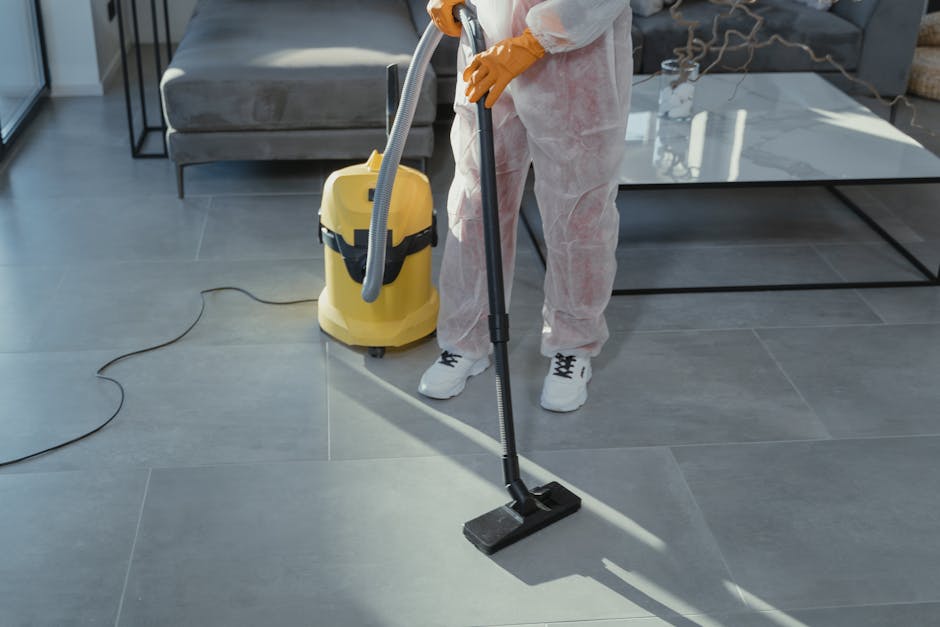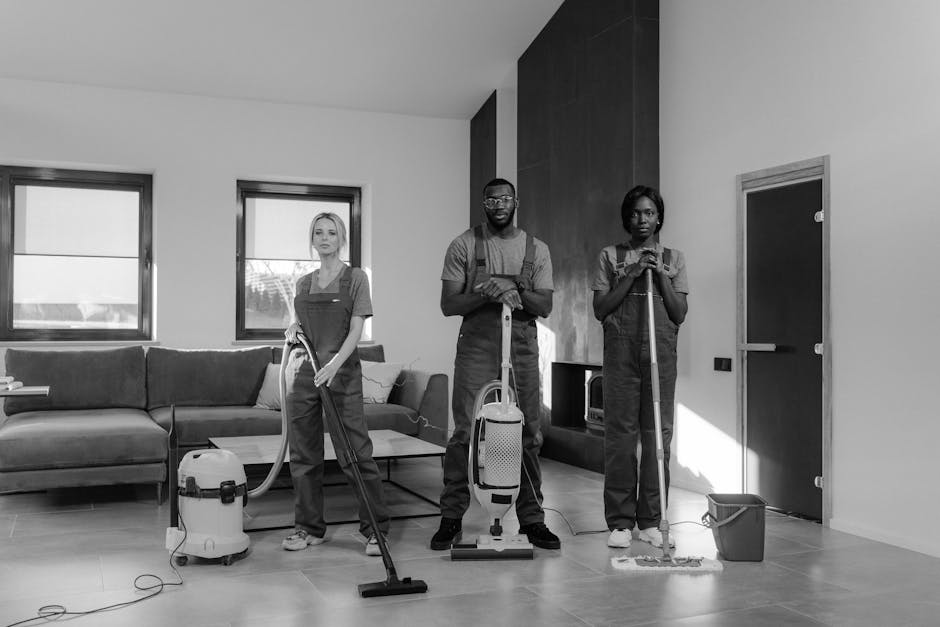
Same day emergency cleaning in Fulham: what to expect
If you need a cleaner in a hurry, the first question is usually not about polish or perfection. It is, quite simply, how fast can someone get here and what happens next? That is exactly why this guide on same day emergency cleaning in Fulham what to expect matters. Whether it is a spill before guests arrive, a sudden tenant issue, a messy post-party flat, or an urgent workplace clean-up, the process can feel a bit frantic at first. Truth be told, it often is.
The good news is that emergency cleaning is usually more straightforward than people imagine. A good team will ask a few quick questions, confirm the job size, give you a realistic arrival window, and tell you what they can prioritise on the day. In this article, you will learn what emergency cleaning typically includes, how the booking works, what affects the outcome, and how to avoid the little mistakes that make a rushed situation worse. We will keep it practical, local, and honest.
Why same day emergency cleaning in Fulham matters
Emergency cleaning is not just about making a property look decent again. Often, it is about stopping a small mess from becoming a bigger problem. A spill left overnight can set into fabric. A kitchen incident can spread odour through the flat. In a shared hallway, one person's delay becomes everyone's frustration. That is the real reason speed matters in Fulham, where homes, flats, offices, and managed buildings often run on tight schedules.
There is also a trust angle. When the situation is urgent, people do not want long explanations or vague promises. They want a calm answer, a clear arrival time, and a practical plan. Not magic. Just competence. And maybe a bit of reassurance that the job is still salvageable, because usually it is.
In our experience, the best same day cleaning calls happen when the client explains the problem plainly: what happened, what surfaces are affected, whether anyone has already tried to clean it, and what time pressure exists. That allows the cleaner to decide if a fast visit, a focused spot treatment, or a broader deep cleaning approach is the right fit.
How same day emergency cleaning works
The process is usually faster and simpler than a standard booking. You contact the company, describe the issue, and ask for the soonest available slot. From there, the cleaner will normally triage the job. That means deciding whether it is a quick sanitising task, a stain-removal visit, a specialist fabric clean, or a more general property reset.
A typical same day response includes four parts:
- Initial assessment - You describe the emergency, the surface type, the room, and any safety concerns.
- Availability check - The team confirms whether they can attend that day and how soon.
- Prep and arrival - You are told what access is needed, whether parking matters, and what to clear before they arrive.
- Targeted cleaning - The cleaner tackles the most urgent issue first, then moves to secondary areas if time allows.
That last point is important. Emergency cleaning is often about priority, not perfection across every inch of the property. If a landlord inspection is looming, for example, a team may focus on the kitchen, bathroom, and visible living areas before anything else. If the issue is a pet accident, the emphasis may be on odour control and fibre treatment rather than just surface wiping. The logic is simple: deal with what is urgent first.
For stain-heavy or fabric-based problems, you may see services like stain removal, steam carpet cleaning, or upholstery cleaning used alongside a general clean. That is normal. Different messes need different tools, and a good cleaner should say so plainly.
Key benefits and practical advantages
Same day emergency cleaning gives you more than a tidy room. It buys back control when things feel a little out of hand. That sounds dramatic, but if you have ever been standing in a kitchen looking at a broken jar, a sticky floor, and a guest due at 7pm, you will know exactly what I mean.
- Speed: the biggest benefit is obvious. You can reduce stress quickly instead of waiting until tomorrow.
- Damage control: fast attention can help limit staining, odour, and spread.
- Better presentation: useful for viewings, check-outs, handovers, or visitors.
- Focused attention: urgent problems are treated first, which is often all you need in the moment.
- Peace of mind: when a professional takes over, the emotional pressure drops quite a bit.
There is a practical side people often overlook: a same day clean can also help you avoid improvising with harsh household products. To be fair, most of us have reached for the nearest spray bottle in a panic. But on the wrong surface, a quick DIY fix can make a stain bigger, set an odour deeper, or leave a mark that needs more work later.
For homes that need a broader reset after a stressful event, an emergency visit may evolve into a one-off cleaning appointment. For landlords, tenants, and agents, it can also overlap with end of tenancy cleaning or move-out cleaning where the pressure is not just hygiene, but timing.
Who this is for and when it makes sense
Emergency cleaning is not only for disasters. It is for any situation where speed matters more than routine scheduling. That may be a one-room issue or a whole property problem.
Common real-world scenarios include:
- a spilled drink, food, or pet accident on carpet before guests arrive
- a kitchen or oven area that has become unusable after a mishap
- an Airbnb or short-let property that needs a rapid turnover
- post-party mess in a flat, house, or communal area
- a last-minute landlord, agent, or inventory visit
- a workplace that needs a discreet refresh before opening hours
- a move-in clean where the new place needs attention today, not next week
It also makes sense when a specific material is involved. For example, a sofa with fresh staining may need immediate treatment before the mark bites into the fibres. Likewise, a carpet spill may be easier to deal with if you do not keep walking over it for six hours. Obvious, yes. Easy to forget in the moment? Absolutely.
If the issue is more about preparation than an emergency, it may be worth comparing emergency support with planned services such as domestic cleaning, regular cleaning, or house cleaning. The right choice is usually the one that matches the timescale, not just the mess.
Step-by-step guidance
If you want the clean to go smoothly, think in terms of sequence. A rushed booking can still go well if you handle the basics in the right order.
- Describe the problem clearly. Say what happened, when it happened, and what is affected. "Red wine on a cream rug" is better than "there's a mess."
- Share the property details. Mention access, parking, stairs, lift access, and any restrictions. In Fulham, that can save a surprising amount of time.
- Say what you need most. Is the goal odour removal, stain reduction, sanitising, or presentation for an event?
- Ask what can be done today. A good company will explain what is realistically achievable in the time available.
- Prepare the space. Move light items out of the way, clear surfaces, and keep pets and children safe during the visit.
- Let the cleaner work in priority order. Urgent areas first. Nice-to-have details later if time allows.
- Check drying or aftercare guidance. This part matters more than people think. If you walk on a damp carpet too soon, well, that is how fresh work becomes fresh trouble.
A small but useful point: if the emergency involves fabrics, ask whether the cleaner expects to use hot water extraction, spot treatment, or a low-moisture method. You do not need technical jargon, just a basic idea of how the job will be approached. That helps set expectations without turning the call into a chemistry lesson.
For more specialised situations, the booking may be shaped around services like oven cleaning, carpet cleaning, sofa cleaning, or mattress cleaning. Same day does not mean one-size-fits-all. It just means the response happens fast.
Expert tips for better results
Here is where a bit of real-world experience helps. The cleaner can only do so much if the problem has been left to sit, scrubbed repeatedly, or mixed with the wrong product. A few smart decisions can improve the outcome quite a lot.
- Blot, don't rub. Rubbing spreads liquids and can damage fibres. Press gently with a clean cloth instead.
- Keep the original spill contained. If possible, stop traffic across the area straight away.
- Avoid mixing products. Bleach, vinegar, and multi-surface cleaners can react badly with each other. Not worth the risk.
- Be honest about what has already been tried. A cleaner needs the full story to choose the safest method.
- Use photo evidence if booking remotely. A couple of clear photos can speed things up and reduce misunderstandings.
- Ask about drying time. If you need the room back quickly, this may affect the cleaning method.
Another practical tip: if the issue has created odour, treat the source, not the smell. Sprays can hide a problem for a while, but they rarely solve it. That is why services such as pet stain odour removal or targeted stain removal can be more effective than a general wipe-down.
And yes, ask the awkward question about what happens if the stain does not fully lift. A transparent cleaner should explain the limits. Some marks are set by heat, dye transfer, or the surface itself. Better to hear that early than after everyone has worked hard for a result no one can realistically guarantee.
Common mistakes to avoid
Emergency cleaning often goes wrong for surprisingly simple reasons. Most of them are avoidable. Most. Not all. But most.
- Waiting too long to call. Fresh spills and odours are easier to handle than old ones.
- Under-explaining the problem. A vague brief can lead to the wrong equipment being brought.
- Trying too many DIY fixes first. Over-wetting carpets or fabrics can make professional cleaning harder.
- Ignoring access details. A cleaner delayed at the door is not helping anyone.
- Expecting a full restoration in one rushed visit. Some jobs need a second treatment or more drying time.
- Choosing purely on speed. Fast is useful, but the method still has to suit the material.
A smaller mistake, but a common one, is forgetting to ask what the clean is meant to achieve. Is the aim to make the property presentable, hygienic, saleable, rentable, or safe for use again? Those are not always the same thing. The answer changes what gets prioritised.
If the cleaning issue is connected to a move, booking a relevant service such as move-in cleaning or move-out cleaning may be more sensible than a generic emergency call. Context matters, even when you are in a rush.
Tools, resources and recommendations
You do not need specialist equipment at home to make a same day clean successful, but a few simple items help while you wait for the cleaner to arrive.
- clean, dry cloths or white towels for blotting
- paper towels for small spills
- a bin bag for waste or contaminated cloths
- basic access information for the cleaner, such as entry codes or concierge instructions
- photos of the affected area, taken before any further attempts to clean it
- a short list of surfaces involved: carpet, rug, sofa, mattress, hard floor, tiles, or window area
For business owners or landlords, it also helps to keep a note of your property details and preferred access arrangements. That sounds dull, but it saves time when a fast response is needed. If the emergency is in a workplace or shared building, a planned relationship with a provider of commercial cleaning or office cleaning can make urgent callouts much less stressful.
Some problems are better matched to specialist services than to a general clean. For example, a large fabric item may need upholstery cleaning, a hallway may need hard floor cleaning, and a stained rug may need rug cleaning. Picking the right service is half the battle, honestly.
Law, compliance, standards, or best practice
Emergency cleaning is not usually a heavily regulated service in itself, but good practice still matters. In the UK, reputable cleaners should work with sensible health and safety procedures, use products carefully, and be clear about any limitations or risks. That includes safe handling of equipment, avoiding unnecessary slip hazards, and being upfront about what can and cannot be cleaned in one visit.
If you are arranging cleaning for a rented property, shared area, or business, there may also be broader duties around safety, access, and record-keeping. Nothing glamorous there, but it helps prevent disputes later. For example, a landlord might want before-and-after evidence, while a business manager may need to document that the space was cleaned promptly after an incident.
It is sensible to look for policies and information that show a company takes this seriously. Pages such as health and safety policy, insurance and safety, payment and security, and terms and conditions are useful trust signals because they show the provider has thought through more than just the cleaning itself.
Best practice also means reasonable expectations. A same day clean should be fast, well-organised, and targeted. It should not promise miracles on every surface. That line matters. A lot.
Options, methods, or comparison table
Different emergency situations need different responses. The right option depends on the surface, the urgency, and the end goal. Here is a simple comparison that may help.
| Option | Best for | Typical strength | Limitation |
|---|---|---|---|
| General emergency clean | Sudden mess, surface wipe-downs, visual refresh | Fast and flexible | May not fully treat deep staining or odour |
| Spot treatment | Small but visible spills or marks | Focused and efficient | Not ideal if the whole room is affected |
| Steam or extraction cleaning | Carpets, some rugs, and compatible fabrics | More thorough on fibre-based issues | Needs drying time and suitable materials |
| Specialist fabric cleaning | Sofas, curtains, upholstery, mattresses | Better for delicate or absorbent items | Not every stain can be fully removed |
| Full property deep clean | Heavier mess, turnover prep, post-incident reset | Most comprehensive | May take longer than same day availability allows |
As a rule of thumb, go narrower when the issue is localised, and broader when the mess has spread. That sounds obvious because it is, but it saves people from overbuying the wrong service. If the job is mainly visual presentation, a one-off cleaning approach may be enough. If the problem is more structural, such as builders' dust or residue, then after builders cleaning is often the better match.
Case study or real-world example
Imagine this: it is a Friday afternoon in Fulham, and a tenant has just had a last-minute issue before a handover the next morning. There is a visible stain on the living room carpet, the kitchen looks tired, and the bathroom needs to feel presentable again. Not luxury-showroom perfect, just clean, fresh, and believable.
The cleaner is contacted with photos, access notes, and a clear priority list. The response is to focus first on the carpet mark and kitchen surfaces, then move to the bathroom and final touch-ups if time allows. The carpet gets targeted treatment rather than a quick scrub with a cloth and optimism. The kitchen gets a practical clean-down around the hob, handles, and sink. The bathroom is treated for visible hygiene and odour. Simple. No drama.
By the end of the visit, the property is not transformed into something from a brochure, because let's be fair, that is not the goal of emergency cleaning. But it is tidy, fresh, and ready for the next stage. The difference is noticeable when you walk back in: less smell, less stress, less visual noise. The room just feels manageable again.
That is often what people mean when they ask about same day cleaning. Not perfection. Relief.
Practical checklist
Use this quick checklist before the cleaner arrives.
- Describe the incident clearly and honestly
- Send photos if possible
- Confirm the address, access, and parking details
- Say what matters most: stain, smell, hygiene, or presentation
- Move small items away from the affected area
- Keep pets and children clear of the workspace
- Ask what cleaning method is likely to be used
- Check whether drying time will affect access or use
- Keep an eye on any fragile or sentimental items nearby
- Ask for aftercare advice before the team leaves
Quick summary: the smoother the handover, the better the result. A same day emergency clean is usually about fast decisions, good information, and sensible expectations. If you give the cleaner a clear brief, you are already halfway there.
Get a free quote today and see how much you can save.
Conclusion
Same day emergency cleaning in Fulham is at its best when it is calm, practical, and focused on the real problem. You should expect a quick response, a short but useful assessment, and a cleaning plan shaped around what matters most right now. Sometimes that means a stain. Sometimes it means odour. Sometimes it means making a property presentable before the next person walks through the door.
The main thing to remember is this: speed helps, but clarity helps more. Explain the issue properly, choose the right type of clean, and do not panic if the first pass does not solve every last detail. In many cases, that urgent first step is what gets the whole situation back under control.
And when the dust settles - literally or otherwise - it is usually a relief to know the place feels livable again. That part never gets old.
Frequently Asked Questions
How fast can same day emergency cleaning in Fulham usually happen?
It depends on workload, location, and the type of job, but the point of emergency cleaning is that it is prioritised quickly. If you provide clear details early, the team can decide whether they can attend the same day and what time window is realistic.
What should I tell the cleaner when I book?
Say what happened, when it happened, which rooms or surfaces are affected, whether you have tried anything already, and whether you need stain removal, odour control, or a broader reset. Photos are very helpful too, especially for carpets or upholstery.
Will the cleaner remove every stain?
Not always. Some marks are set deep into fibres or altered by heat, dye transfer, or previous DIY cleaning. A good cleaner should be honest about what is likely to improve and what may remain visible.
Is same day emergency cleaning more expensive than a standard booking?
Often, yes, because it involves urgent scheduling and sometimes a more targeted response. The exact price depends on the size of the job, the type of cleaning needed, and how quickly the visit is required. It is sensible to ask for a written quote or clear estimate.
What if I need carpet, sofa, or mattress cleaning in a hurry?
That is common, especially after spills or pet accidents. Services such as carpet cleaning, sofa cleaning, and mattress cleaning may be used depending on the material and the problem.
Should I try cleaning the spill myself first?
Only lightly and carefully. Blotting with a clean cloth is usually safer than scrubbing. Avoid soaking the area or mixing products, because that can make professional treatment harder later.
Can emergency cleaning help before a tenancy handover?
Yes, very often. If the property needs fast attention before inspection or move-out, emergency cleaning can be combined with more structured options such as end of tenancy cleaning or move-out cleaning.
Do cleaners need access, parking, or lift details in advance?
Absolutely. In a busy area like Fulham, access details can save a lot of time. Share entry instructions, parking restrictions, stair access, and any concierge requirements before the visit.
What happens if the cleaner cannot fully finish everything the same day?
They should explain what was completed and what still needs attention. Sometimes the first visit is about stabilising the situation, then a follow-up clean handles the rest. That is normal, especially with larger or deeper problems.
Is emergency cleaning suitable for homes, offices, and communal areas?
Yes. It can work for flats, houses, workplaces, and shared buildings. If the issue is in a business space, office cleaning or communal area cleaning may be more appropriate than a domestic service.
What should I check before choosing a cleaning company?
Look for clear communication, sensible expectations, and useful trust information such as about us, health and safety policy, and insurance and safety. A trustworthy provider should be clear, not flashy.
What is the best thing to do while waiting for the cleaner?
Keep the area safe, stop traffic across the mess if you can, gather any useful details, and avoid adding more products to the problem. Calm beats panic here. Every time.